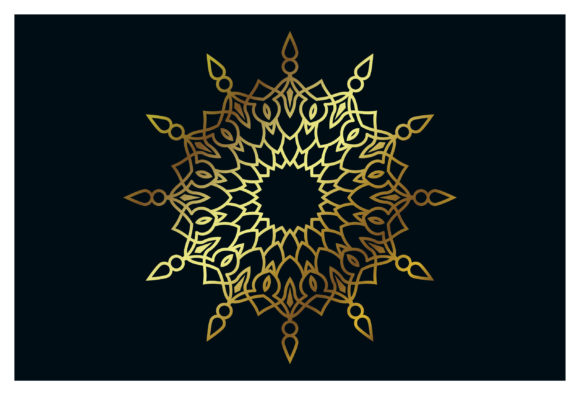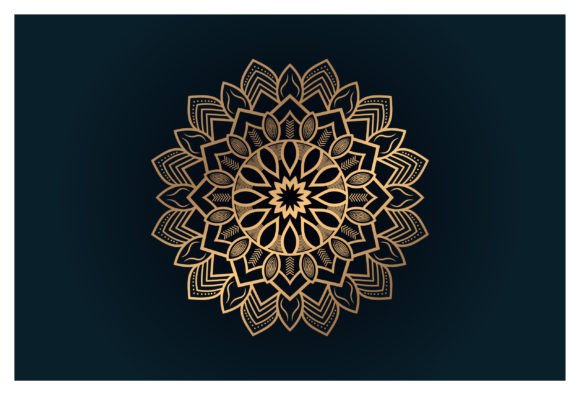
Unveiling the Decorative Ethnic Mandala Pattern
In the vast landscape of design assets, few elements offer the instant cultural depth and visual complexity found in a well-crafted mandala. The Decorative Ethnic Mandala Pattern is more than just a collection of geometric shapes; it is a sophisticated design toolkit that bridges traditional artistry with modern digital requirements. As a centerpiece for branding or a subtle background texture, this pattern brings a sense of balance, spirituality, and intricate detail to any project. For designers and business owners looking to infuse their work with authenticity, understanding how to leverage this specific vector pattern can be a game-changer for visual storytelling.
Visual Characteristics and Stylistic Appeal
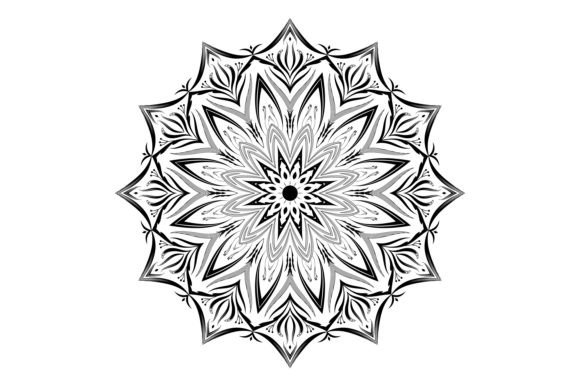
At its core, the Decorative Ethnic Mandala Pattern is defined by its radial symmetry and repetitive motifs. It draws inspiration from ancient textile weaving, henna art, and sacred geometry, creating a visual rhythm that is both hypnotic and orderly. The appeal lies in its versatility; it is a premium font alternative when you need an image to speak louder than words. The intricate line work creates a high-contrast aesthetic that commands attention without overwhelming the viewer when used correctly.
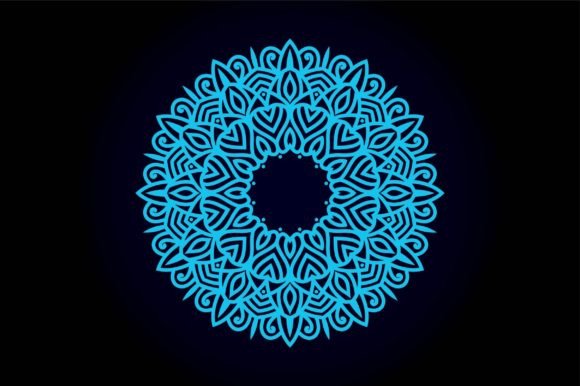
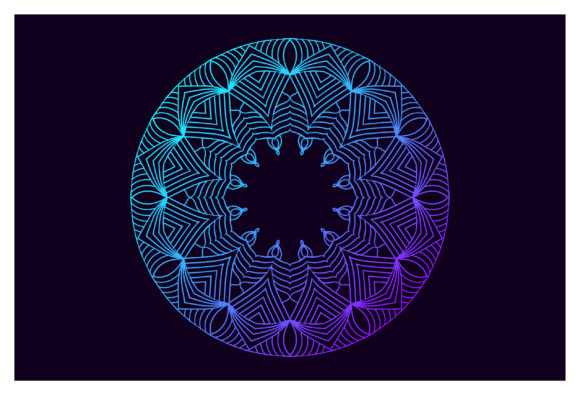
This particular asset comes in four different styles, allowing for significant creative flexibility. Whether you prefer a dense, filled aesthetic for a bold statement or a line-art style for a delicate, engraved look, the variety ensures you aren't locked into a single aesthetic. The "ethnic" aspect implies a connection to global cultures—reminiscent of Moroccan tiles, Indian tapestries, or Andean weaving—making it an excellent choice for brands that value diversity and heritage.
Strategic Applications: From Branding to Web Design
The utility of the Decorative Ethnic Mandala Pattern extends far beyond simple decoration. In the realm of brand identity, it serves as a powerful visual anchor. For a wellness brand, yoga studio, or boutique spa, this pattern can instantly communicate tranquility and holistic health. However, its application isn't limited to the spiritual niche. In modern editorial design, these patterns can serve as striking headers or pull-quote backgrounds, adding texture to flat layouts.
For those working in packaging design, the vector nature of the files is crucial. Whether you are designing a coffee bag, a cosmetic label, or a gift box, the scalability of the SVG and AI files ensures that the intricate details remain crisp, whether printed on a small tag or a large poster. Small business owners and marketers will find the PNG files particularly useful for quick implementation in social media graphics or website overlays, where the transparent background allows for seamless layering over photography or color blocks.
Technical Specifications and File Utility
A major strength of this asset is its comprehensive file package. You aren't just buying a static image; you are investing in a flexible toolkit. The package includes 4 high-quality JPG files for standard digital use, 4 high-quality PNG files with transparency for layering, and 4 high-quality SVG files which are essential for web design as they load fast and scale infinitely without pixelation.
Furthermore, the inclusion of 1 AI file (Adobe Illustrator CS10) and 1 EPS file puts you in the driver's seat. These vector formats allow for complete customization. You can change the stroke weight, alter the color palette to match your specific brand identity, or deconstruct the pattern to isolate specific motifs. This level of control is vital for creating a cohesive visual language across different platforms.
Integrating Patterns with Typography
One of the most common mistakes in using dense patterns is poor pairing with typefaces. A Decorative Ethnic Mandala Pattern is visually "busy." Therefore, it requires a strategic approach to font pairing. If you layer text directly over the pattern, you need a typeface with high legibility. A bold sans serif font or a heavy serif font usually works best here, as the thick letterforms can compete with the intricate background lines.
Conversely, if the pattern is used as a border or a secondary element, you have more freedom to use delicate script fonts or handwritten fonts for headlines, provided the background is faded or masked. The goal is to maintain a clear visual hierarchy. The mandala should support the message, not fight it. Think of the pattern as the stage and your typography as the actor; the stage sets the mood, but the actor delivers the lines.
Practical Guidance for Implementation
When evaluating how to use this creative font alternative in your next project, consider the following workflow:
- Evaluate Project Fit: Does your brand narrative align with the themes of intricacy, culture, or spirituality? If you are a tech startup focused on minimalism, a dense mandala might clash. However, for a lifestyle brand or a content creator focusing on travel or art, it is a perfect match.
- Color Manipulation: Do not settle for the default black and white. Use the vector files to sample colors from your existing brand palette. A monochromatic scheme often looks more professional than a multicolored one.
- Testing and Scaling: Always test the pattern at the intended final size. A pattern that looks like elegant filigree on a business card might look like a blurry mess on a billboard if not handled correctly. The high-quality JPG and PNG files are excellent for digital mockups, but always finalize print projects using the vector sources.
Commercial Licensing and Professional Consistency
For entrepreneurs and publishers, the commercial viability of design assets is non-negotiable. Using a Decorative Ethnic Mandala Pattern ensures you have a professional-grade asset that can be used across commercial projects without fear of low-resolution artifacts. This consistency is key to building trust with your audience. When your Instagram graphics match the quality of your printed brochures, you signal professionalism.
Whether you are designing a wedding invitation, a website hero image, or merchandise for a crafter or hobbyist audience, the adaptability of this pattern is its greatest asset. It allows you to create a rich, textured world for your brand that feels curated and intentional. By mastering the balance between this intricate background and your core messaging, you elevate your design work from simple layout to compelling visual experience.