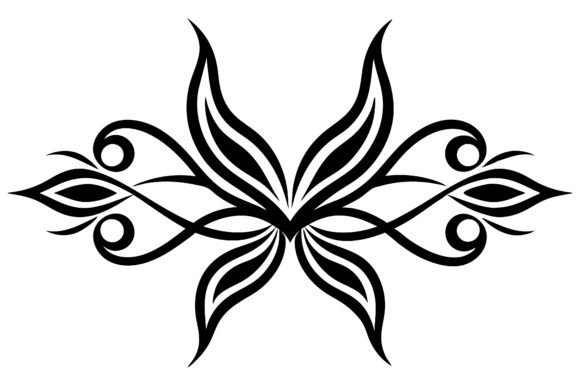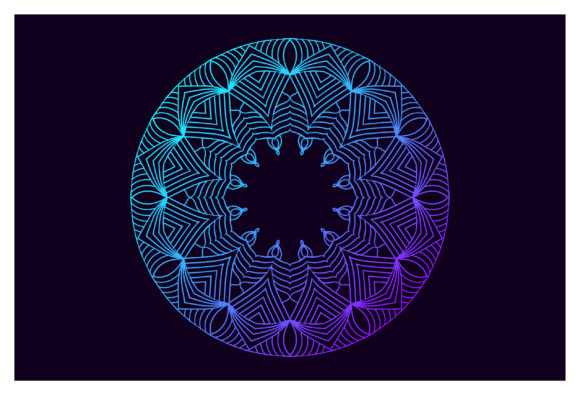
Decorative Flower Vector Illustration: Elevate Your Visual Projects
In a digital landscape saturated with generic stock imagery, finding a design asset that genuinely captures attention is a rare win. The Decorative Flower Vector Illustration is not just a clip art file; it is a sophisticated visual tool designed to bring elegance, nature, and modern flair to a wide array of creative projects. For designers, entrepreneurs, and content creators, understanding how to leverage this specific style of vector art can be the difference between a project that blends in and one that stands out with distinct personality.
Visual Characteristics and Style
At its core, a Decorative Flower Vector Illustration is defined by its clean lines, scalability, and artistic interpretation of botanical forms. Unlike raster images that pixelate when scaled, these vector graphics maintain perfect clarity whether they are used as a tiny favicon on a browser tab or blown up on a massive billboard. The style often walks a fine line between realism and abstraction. You will find intricate petal details rendered with smooth curves, often utilizing a limited color palette to maintain sophistication or a vibrant spectrum to convey energy.
The personality of this illustration style is versatile. It can feel whimsical and romantic with soft pastels and flowing lines, or it can adopt a bold, geometric aesthetic suitable for modern branding. This adaptability makes it a favorite in the toolbox of creative professionals. It is not merely a picture of a flower; it is a piece of modern typography in visual form, capable of setting a mood instantly without the need for complex descriptions or lengthy copy.
Strategic Applications for Branding and Marketing
When considering where a Decorative Flower Vector Illustration works best, the answer lies in its ability to adapt to various mediums. For brand identity projects, these illustrations are invaluable. A small business owner looking to establish a presence in the wellness, beauty, or lifestyle sector can use these vectors to create a cohesive visual language. Imagine a logo design where the icon is complemented by a delicate floral element, or a packaging design where the vector wraps seamlessly around the box, creating an unbroken pattern.
In the realm of digital marketing, the applications are equally broad. Social media graphics often suffer from a lack of originality; using a high-quality decorative vector can instantly elevate an Instagram post or a Facebook banner. It provides a professional polish that resonates with audiences looking for authenticity and aesthetic value. For bloggers and publishers, these illustrations serve as perfect spot graphics to break up text-heavy layouts, or as background elements that add depth to a web design without interfering with legibility.
Influence on Readability and Visual Hierarchy
A common misconception is that decorative elements are purely ornamental. In reality, a well-placed Decorative Flower Vector Illustration actively influences how a user interacts with the content. In editorial design, for instance, a vector can act as a visual anchor. It guides the reader's eye from the headline down to the body text. By using the illustration to create a focal point, you establish a clear visual hierarchy that makes the information easier to digest.
Furthermore, these illustrations can impact the perception of professionalism. A website or brochure that utilizes high-resolution, thoughtfully designed vector art signals that the brand cares about quality. This builds trust with the audience. However, balance is key. Overusing these elements can clutter the design and detract from the message. The goal is to use the decorative flower to enhance the white space, not eliminate it, ensuring that the typography and the imagery work in harmony.
Practical Guide to Choosing and Pairing
Selecting the right Decorative Flower Vector Illustration requires a strategic eye. It is not enough to simply like the drawing; it must fit the project's specific needs. Here are some practical considerations for professionals:
- Evaluate the Style: Does the illustration's line weight match your typography? If you are using a bold, heavy display font, a delicate, thin-line vector might look weak. Conversely, a thick, heavy illustration might overpower a light sans serif font.
- Color Versatility: Look for vectors that are easy to edit. Can you change the colors to match your specific brand palette? A good design asset should be flexible.
- Commercial Licensing: This is non-negotiable for entrepreneurs and businesses. Ensure that the vector comes with a commercial font or asset license that covers your intended use, whether it is for merchandise, client work, or digital distribution.
- File Formats: To truly benefit from the scalability of vectors, you need editable formats like AI, EPS, or SVG, not just PNGs with transparent backgrounds.
Pairing with Typography
The relationship between illustration and type is critical. If your project leans toward a vintage or elegant vibe, pairing the floral vector with a classic serif font can create a timeless look. For a more contemporary, clean aesthetic, combining the illustration with a geometric sans serif font creates a pleasing contrast. If the project calls for a personal touch, such as a wedding invitation or a boutique logo, a script font or handwritten font paired with the floral elements can evoke a sense of intimacy and craftsmanship.
Testing for Readability
Before finalizing a design, always test the vector's impact on readability. If you are placing text over an intricate floral pattern, you may need to lower the opacity of the illustration or place a semi-transparent overlay between the text and the image. This ensures that the message remains the hero, supported by the decorative beauty of the vector.
The Creative Edge
Ultimately, the Decorative Flower Vector Illustration is a powerful component of modern design assets. It bridges the gap between artistic expression and functional design. Whether you are a crafter designing a t-shirt, a marketer creating a seasonal campaign, or a designer building a comprehensive brand identity, these illustrations offer a scalable, professional, and visually engaging solution. By treating the vector not just as decoration but as a strategic element of your visual hierarchy, you can create projects that are not only beautiful but also effective and memorable.