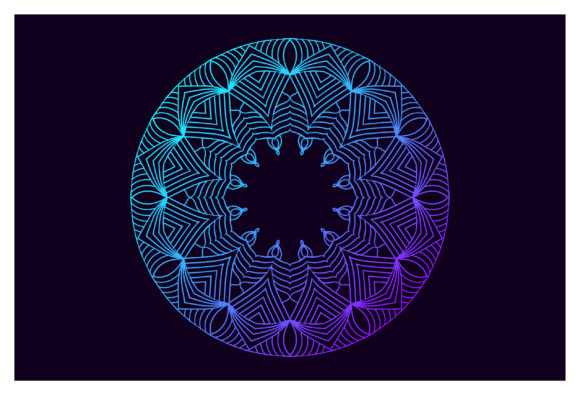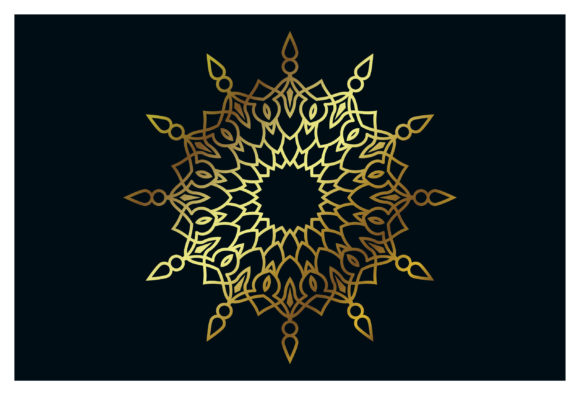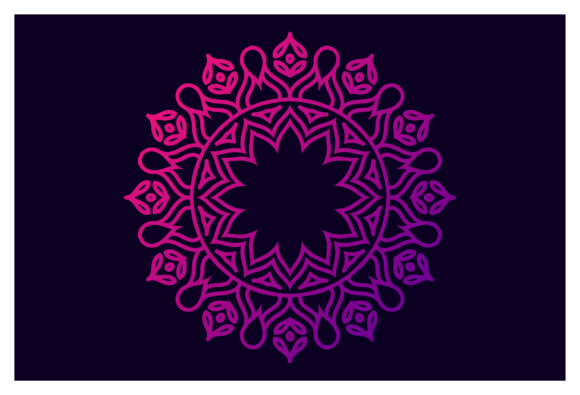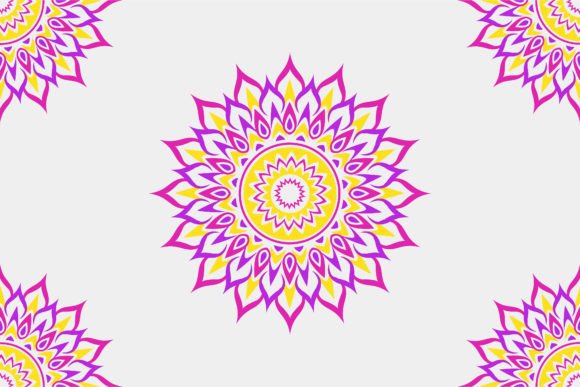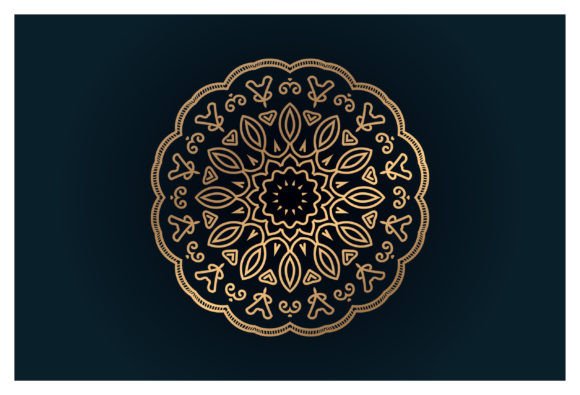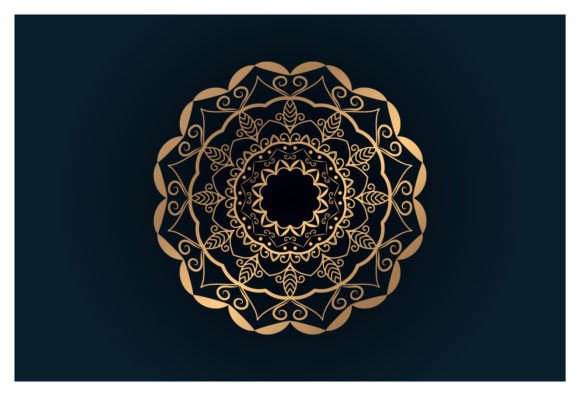
Colorful Mandala Decorative Elements: Four Unique Styles
There is a certain visual weight to a mandala. It draws the eye inward, creating a focal point that feels both intricate and balanced. When you bring Colorful Mandala Decorative Elements into your toolkit, you aren't just adding ornamentation; you are introducing a versatile design asset that bridges traditional symbolism with modern aesthetics. Whether you are a graphic designer working on a tight deadline, an entrepreneur building a brand identity, or a crafter looking for that perfect centerpiece, understanding how to leverage these elements can transform your work from standard to stunning.
Visual Characteristics and Style Appeal
At its core, the mandala is a geometric configuration of symbols, usually circular. However, the Colorful Mandala Decorative Elements package breaks away from the monochrome or muted palettes often associated with this style. This collection is defined by vibrant hues and intricate line work that pop off the page. The visual personality here is bold yet harmonious. The lines are crisp, which is essential when scaling for different mediums, ensuring that the "colorful" aspect doesn't turn into a muddy mess on screen or paper.
The appeal lies in the balance between complexity and usability. A complex mandala can often overwhelm a layout, but these elements are designed with negative space in mind. They feel airy despite their detail. This makes them an excellent creative font alternative for headers or decorative accents. They function less like traditional text and more like visual storytelling tools. The overall vibe is spiritual, artistic, and energetic, making it suitable for projects that require a touch of human warmth and organic flow.
Practical Applications: From Digital to Print
The versatility of these elements is where the real value lies. Because the package includes 4 high-quality JPGs, 4 PNGs, 4 SVGs, and the native AI and EPS files, you have complete control over how you deploy them. This is not a static asset; it is a flexible design system.
- Web Design and Digital Media: Use the SVG files for web design. Because SVGs are vector-based, they load faster and look sharp on any screen resolution, from a 4K monitor to a mobile phone. They work beautifully as background patterns, hero image overlays, or distinct section dividers. For social media graphics, these elements create immediate visual stops in a fast-scrolling feed.
- Branding and Packaging: For small business owners, consistency is key. Using the AI or EPS files allows you to recolor the mandalas to match your specific brand identity. Imagine a yoga studio using a calming blue variation for their website and a vibrant orange version for their packaging design. The vector format ensures your logo design elements remain crisp whether printed on a business card or a billboard.
- Publishing and Editorial Design: In editorial design, mandalas can serve as chapter headers or background textures for text-heavy pages. The PNG files, with their transparent backgrounds, are perfect for layering over photography in magazines or book covers without harsh edges.
- Crafting and Hobbyists: For the hobbyist market, the high-resolution JPGs are ready to print. They are ideal for sublimation projects, custom stationery, or wall art. The "Colorful" aspect means they can often be printed as-is without needing post-processing, saving time for those creating physical products.
Integrating with Modern Typography
Pairing ornamental elements with text requires a careful eye. Because Colorful Mandala Decorative Elements are visually dense, they demand a typographic partner that can hold its own without competing for attention. This is where font pairing becomes critical.
Avoid pairing these mandalas with highly decorative script fonts or overly busy handwritten fonts. The visual noise will be too high, making the design unreadable. Instead, look for a strong, clean sans serif font or a modern serif font. The geometric nature of the mandala pairs exceptionally well with geometric sans-serifs (think Futura or Montserrat). The clean lines of the typeface provide a resting spot for the eye after taking in the intricate details of the mandala.
If you are using these elements alongside a premium font for a luxury brand, ensure the spacing (leading and tracking) is generous. Let the mandala breathe. In modern typography, the relationship between the image and the text is a conversation. The mandala introduces the emotion or the theme, while the typography delivers the information with clarity.
Evaluating Fit and Technical Considerations
Before integrating these assets, it is wise to evaluate the specific style needed for your project. The collection offers four different styles, each carrying a slightly different weight. Some may feature thicker strokes and bolder colors, suitable for children’s branding or festival posters. Others might be more delicate with pastel gradients, better suited for wellness brands or feminine product lines.
When testing these elements, consider the following practical checklist:
- Scalability: Always test the SVG or vector files at the size they will be displayed. A mandala that looks great as an icon might look cluttered when blown up to cover a full page, or vice versa.
- Color Interaction: Check how the colors of the mandala interact with your background. High contrast is usually best for visibility, but for background textures, you may need to lower the opacity to ensure readability of the text on top.
- Format Selection: Use the right file for the job. Stick to JPGs for quick social posts where file size matters and transparency isn't needed. Use PNGs for overlays. Use SVG/AI/EPS for anything going to print or for high-end digital work.
Ultimately, these design assets are tools to enhance your visual hierarchy. They should guide the viewer's eye, not lose it. By treating the Colorful Mandala Decorative Elements